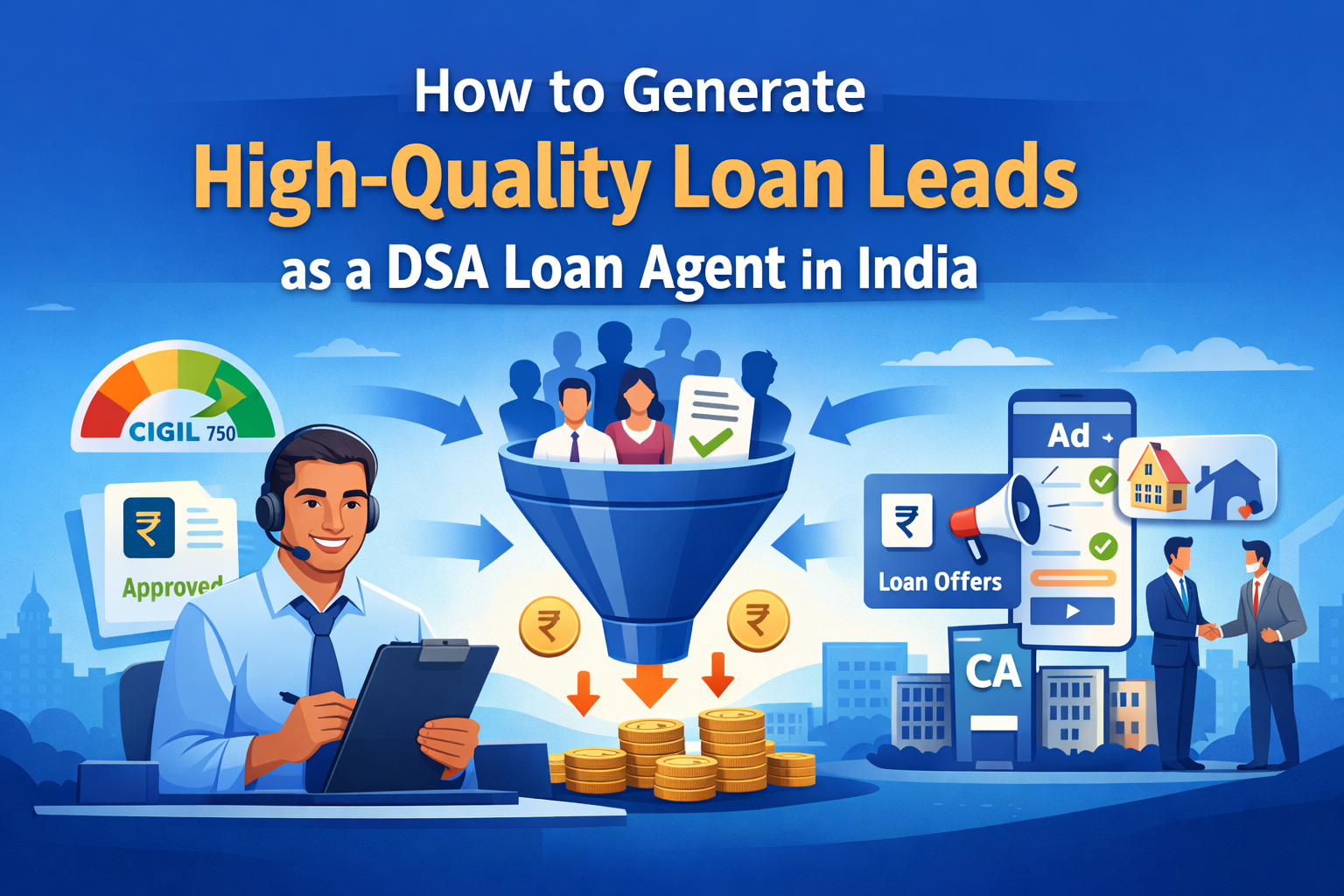
Handling loan documentation correctly is one of the most important responsibilities of a DSA loan agent. Even a small mistake in paperwork can delay approvals, frustrate customers, or lead to loan rejection. As competition in the lending space increases, professional documentation handling can set you apart and help you close more deals efficiently.
This step-by-step guide will help you understand how to manage loan documentation smoothly while using digital tools and the best app for refer and earn to streamline your work.
Step 1: Understand the Loan Type and Documentation Requirements
Before collecting any documents, a DSA loan agent must clearly understand the loan product. Different loans require different paperwork:
- Personal Loans – Minimal documentation
- Home Loans – Income, property, and legal documents
- Business Loans – Financial statements, GST returns, bank statements
- Loan Against Property (LAP) – Property ownership and valuation documents
Always check lender-specific requirements because banks and NBFCs may ask for additional documents.
Step 2: Explain Documentation Clearly to the Customer
One common mistake DSA loan agents make is assuming customers already know what documents are required. Instead, explain everything clearly:
- Why each document is needed
- How it affects approval chances
- The acceptable formats (original, scanned copy, PDF, etc.)
Clear communication builds trust and reduces back-and-forth follow-ups.
Step 3: Collect KYC Documents First
KYC is the foundation of loan documentation. As a DSA loan agent, ensure you collect:
- Aadhaar Card
- PAN Card
- Address proof
- Recent passport-size photographs
Verify details carefully. Name mismatches or incorrect dates of birth are common reasons for delays.
Step 4: Gather Income and Employment Proof
Income verification is crucial for loan approval. Depending on the customer’s profile, collect:
For Salaried Applicants:
- Salary slips (last 3 months)
- Bank statements (6 months)
- Employment ID or appointment letter
For Self-Employed Applicants:
- ITR (last 2–3 years)
- Business registration documents
- GST returns (if applicable)
As a DSA loan agent, always cross-check income details to ensure consistency across documents.
Step 5: Verify Property or Business Documents (If Applicable)
For secured loans like home loans or LAP, document verification becomes more detailed. This may include:
- Property sale deed
- Approved building plan
- Property tax receipts
- Business financial statements
Keep scanned copies properly named and organized to avoid confusion during submission.
Step 6: Digitize and Organize All Documents
Modern lenders prefer digital submissions. Use folders or CRM tools to organize documents by:
- Customer name
- Loan type
- Application stage
Using digital systems not only saves time but also makes you appear more professional as a DSA loan agent.
Step 7: Submit Documents Through the Best App for Refer and Earn
To improve efficiency, many DSAs now use the best app for refer and earn that allows:
- Digital document upload
- Real-time application tracking
- Commission visibility
- Faster lender coordination
These apps reduce manual errors and help you manage multiple clients at the same time. Choosing the right refer and earn app can significantly boost your productivity and income.
Step 8: Follow Up and Handle Queries Promptly
After submission, lenders may raise queries related to missing or unclear documents. A good DSA loan agent:
- Responds quickly to lender queries
- Keeps the customer informed
- Re-uploads corrected documents without delay
Prompt follow-ups improve approval chances and enhance customer experience.
Step 9: Maintain Data Security and Confidentiality
Loan documents contain sensitive personal and financial information. Always:
- Use secure apps and systems
- Avoid sharing documents on unsecured platforms
- Follow lender data protection guidelines
Trust is a major asset for any DSA loan agent.
Step 10: Keep Records for Future Reference
Maintain records even after loan disbursal. This helps in:
- Handling future customer queries
- Cross-selling other loan products
- Building long-term client relationships
Repeat customers and referrals are key income sources for successful DSAs.
Final Thoughts
Efficient documentation handling is the backbone of success for every DSA loan agent. By following a structured approach, using digital tools, and leveraging the best app for refer and earn, you can reduce errors, speed up approvals, and increase your earnings.
In today’s digital lending ecosystem, professionalism, accuracy, and speed are what separate average DSAs from top performers. Master loan documentation, and you’ll build a strong, sustainable DSA business.