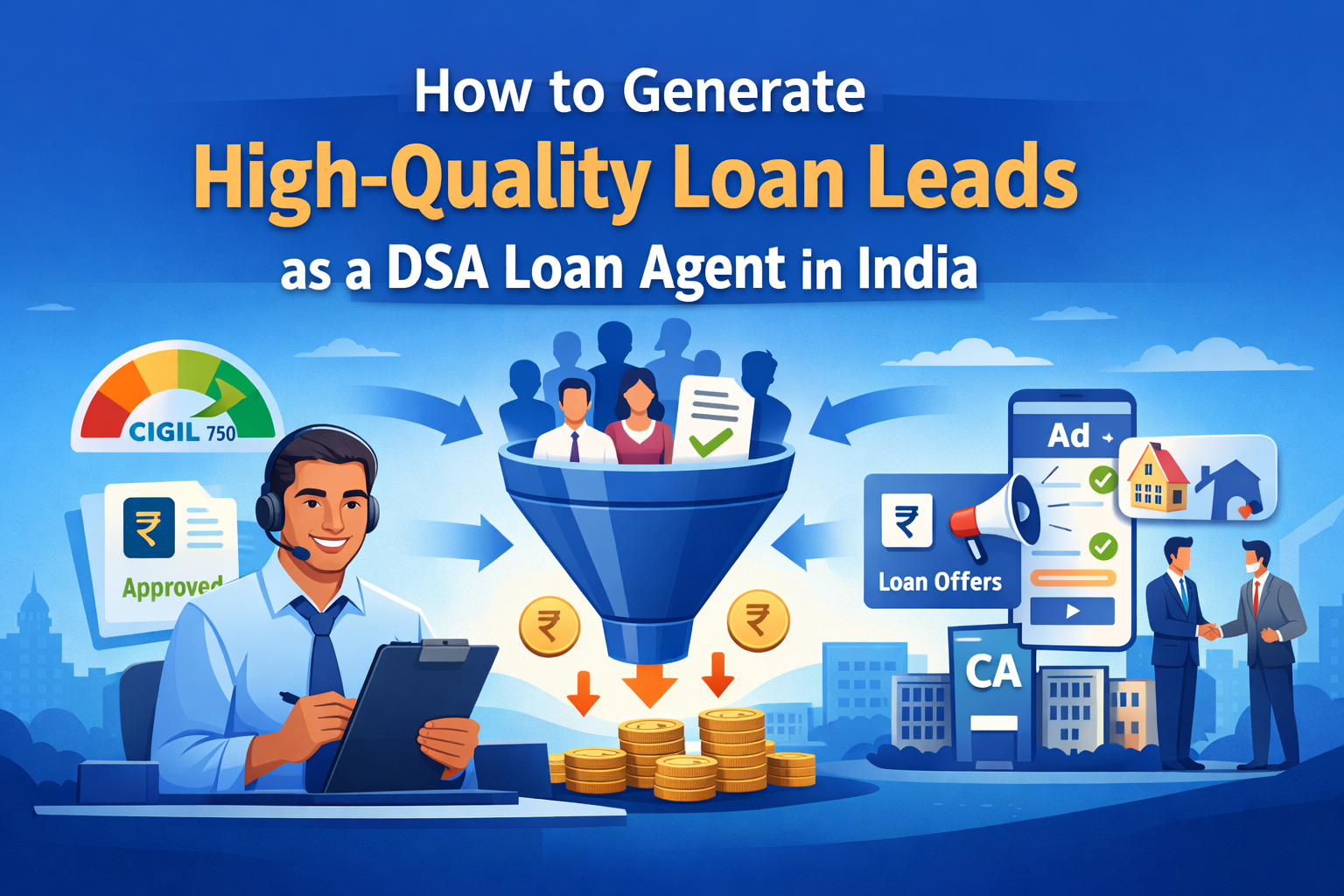
In today’s fast-paced financial world, individuals are constantly looking for flexible income opportunities that don’t require heavy investment. Two popular career paths in the lending ecosystem — DSA Loan Agent and Traditional Channel Partner — offer people a chance to earn from the booming financial market. But which one is right for you? Let’s explore the key differences, benefits, and opportunities both roles provide so you can make an informed choice.
Understanding the DSA Loan Agent Role
A DSA Loan Agent (Direct Selling Agent) acts as a bridge between customers and financial institutions. Their primary responsibility is to help borrowers get the right loans from banks or NBFCs. The DSA collects loan applications, verifies documents, and submits them to the lender for processing. Once the loan is approved and disbursed, the DSA earns a commission based on the loan amount.
The best part? Becoming a DSA loan agent doesn’t require a large investment, an office, or a complex setup. Many platforms now allow individuals to register online and start working remotely. This makes it an ideal option for those looking for an online money-earning app without investment that offers real income potential.
Who Is a Traditional Channel Partner?
A Traditional Channel Partner, on the other hand, is usually a business entity or individual working closely with financial institutions to promote their products and services. Channel partners might represent multiple banks or NBFCs, offering home loans, business loans, credit cards, or insurance products to clients.
Unlike DSAs, channel partners often have existing business networks — such as real estate agencies, car dealerships, or financial consulting firms — through which they generate leads. While they also earn commissions, their role usually requires more experience, infrastructure, and sometimes even a small investment.
Key Differences Between DSA Loan Agent and Channel Partner
| Aspect | DSA Loan Agent | Traditional Channel Partner |
|---|---|---|
| Setup Cost | Almost zero – can start using an online money earning app without investment | Usually requires business setup or partnership agreements |
| Eligibility | Open to anyone (students, freelancers, homemakers, or professionals) | Often requires prior experience or an existing business |
| Work Model | Flexible, part-time or full-time | Mostly structured and business-oriented |
| Earning Potential | Commission per loan disbursal | Higher overall commission but tied to volume and targets |
| Registration Process | Simple online onboarding through financial platforms | Formal agreements and onboarding with banks or NBFCs |
Advantages of Becoming a DSA Loan Agent
- Work from Anywhere:
You can work remotely, using just a smartphone and an internet connection. Apps like Unicus Loans, for example, allow agents to register and start earning instantly. - No Investment Required:
Unlike other businesses, becoming a DSA requires no upfront capital. It’s a great option for anyone looking for an online money-earning app without investment. - Flexible Schedule:
There’s no fixed working hour or target. You can manage leads at your own pace — ideal for students, homemakers, or part-time workers. - Multiple Income Streams:
DSAs can handle various loan products, including home loans, personal loans, and business loans, thereby diversifying their income sources. - Simple Training and Support:
Most fintech platforms provide full onboarding, training, and marketing support, helping even beginners succeed quickly.
Advantages of Being a Channel Partner
- Higher Earning Potential:
For established businesses, partnering with banks can generate larger commissions on bulk loan disbursals. - Brand Association:
Working directly with financial institutions enhances your professional credibility and business reputation. - Long-Term Business Growth:
Channel partners can integrate financial products into their existing services — for example, real estate agents offering home loans to buyers.
Which Option Is Right for You?
If you’re just starting out or looking for a side hustle with zero investment, becoming a DSA loan agent is the better option. It offers quick onboarding, low risk, and complete flexibility. You can earn commissions for every successful loan disbursal, even while managing another job or studies.
However, if you already run a business and want to expand your financial product portfolio, becoming a Traditional Channel Partner makes sense. It offers higher long-term rewards, especially if you can consistently generate a high volume of clients.
Final Thoughts
Both DSA loan agents and traditional channel partners play crucial roles in connecting customers with lenders. The choice ultimately depends on your goals, resources, and lifestyle.
If you’re someone who wants to start small, work flexibly, and earn commissions online, the DSA loan agent path is perfect. And thanks to fintech innovation, you can now use an online money earning app without investment to get started — no office, no paperwork, and no limits on income.